



Together, Protecting Our Wild
and Working Lands
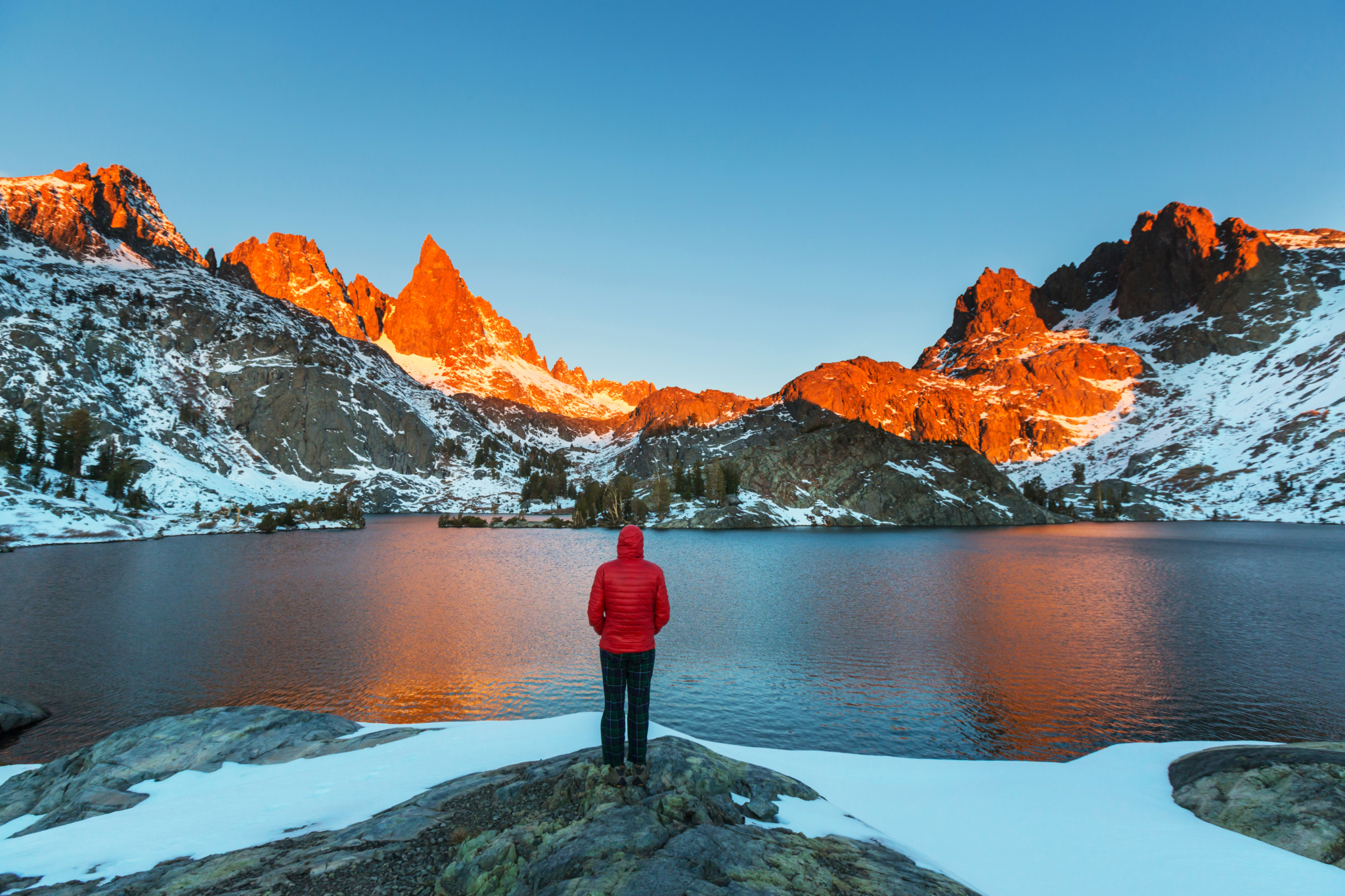
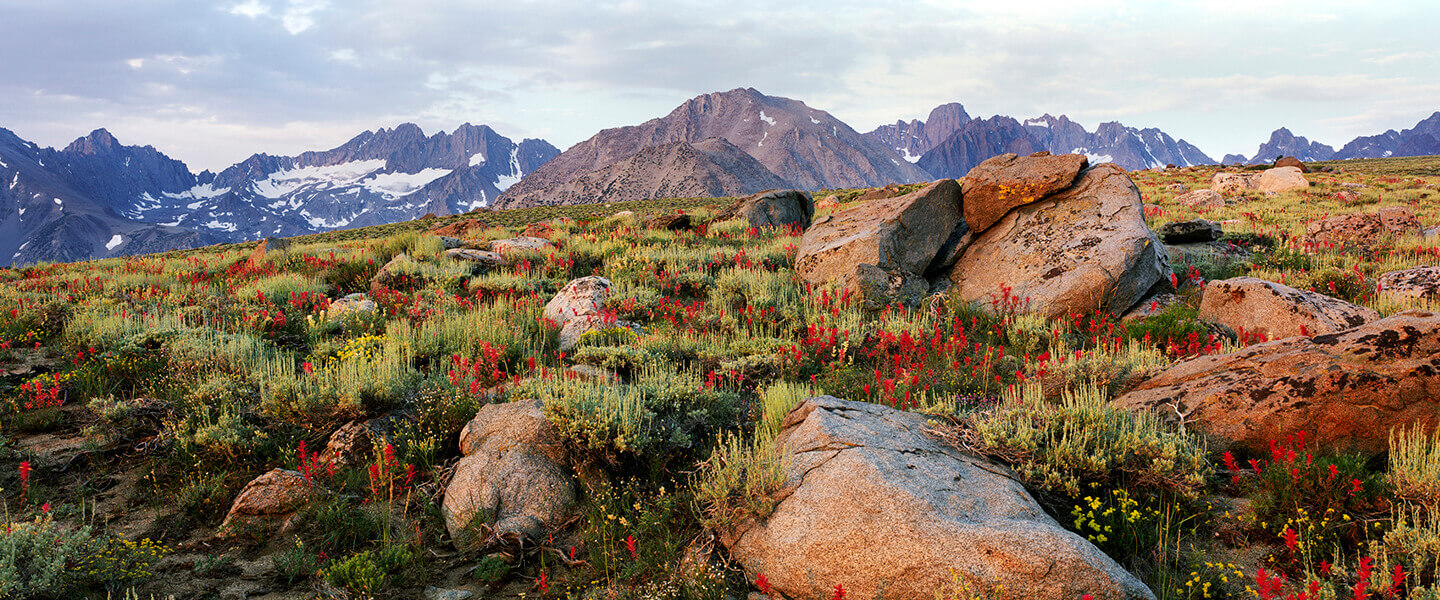
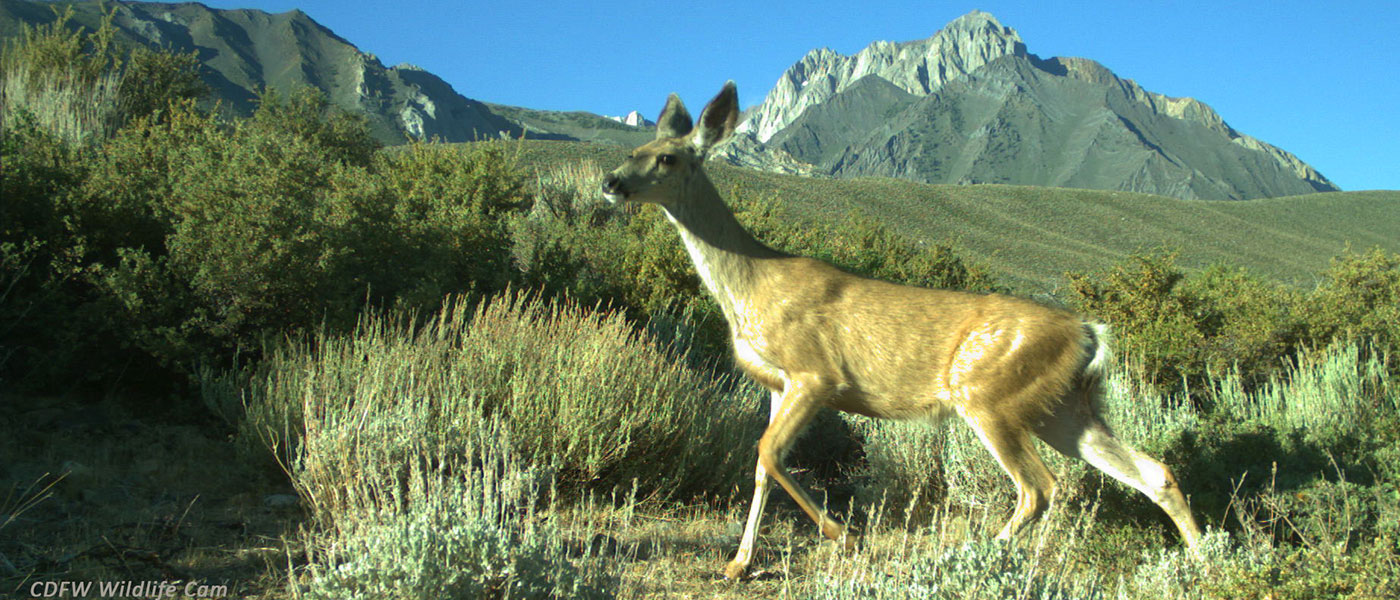
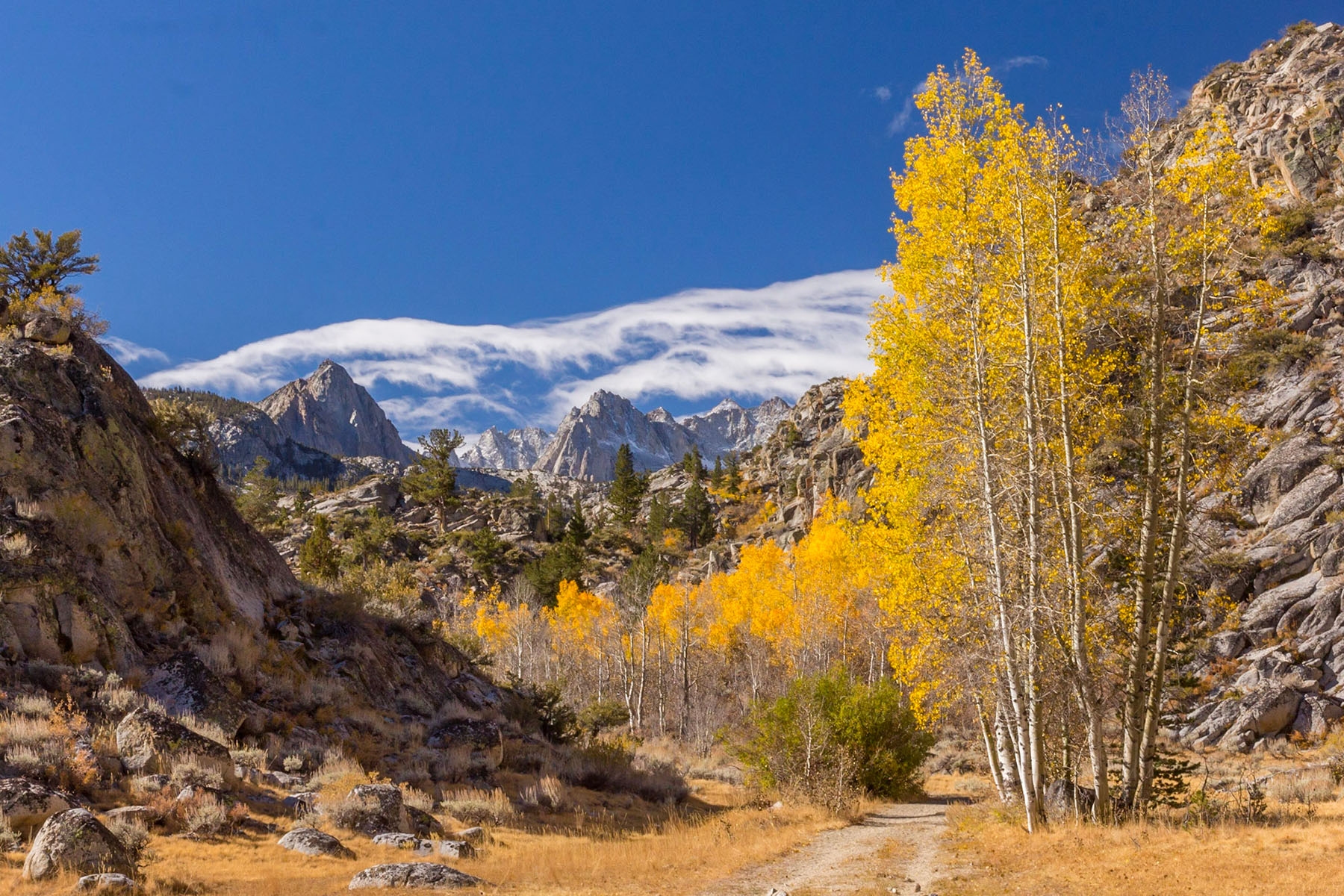
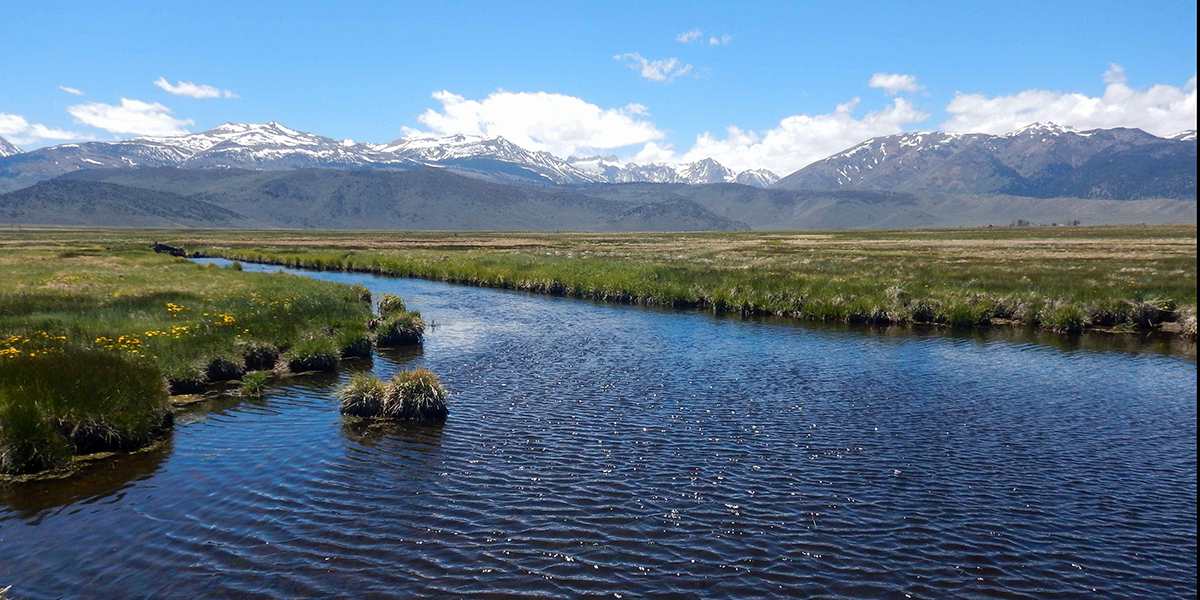
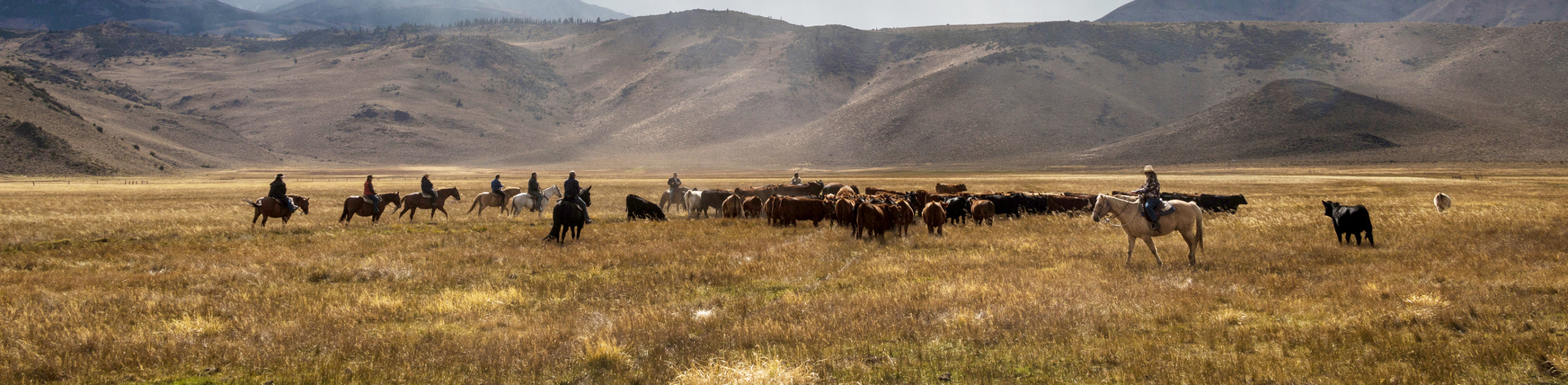
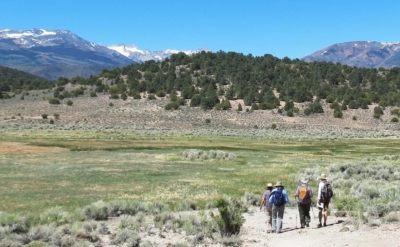
Snowy Sierra peaks towering thousands of feet above the valley floor. Wide-open ranchlands where livestock and wildlife live in harmony. This is the Eastern Sierra – California’s “Wild Side.” A land like nowhere else.
And you can help make sure it stays that way.
At Eastern Sierra Land Trust, we partner with local landowners, agencies, and conservation supporters like you to protect the Eastern Sierra for the future. Our aim is to preserve a healthy balance of land uses — from ranching to biking, wildlife habitats to favorite fishing spots — that can be sustained forever, ensuring a strong local economy and healthy environment for generations to come.
Success Stories
By partnering with forward-thinking landowners and conservation supporters like you, ESLT is able to permanently protect the land, water, and wildlife that make the Eastern Sierra so special. Since our founding in 2001, we have successfully conserved over 21,000 acres on 26 unique properties that provide important resources to wildlife and our community.
Join Our Community
Eastern Sierra Land Trust members care about this amazing place and want to conserve it for the future. Join us today: with your tax-deductible membership donations, you’ll make a lasting difference in the lives and lands of our community.
“We support the work of ESLT because we like what they do: they find opportunities to get land protected that is special to all of us.”
“It came to where we wanted to do something to protect our land. The thing I like about ESLT is that I believe in private property rights, and working with them allows me to still own my property while preserving it.”
“I think it is absolutely terrific that there is a local land trust in the Eastern Sierra. It is so important to work with local youth, to teach them about the land they live on and local organizations like ESLT.”
“It’s important to preserve and maintain the history of the area and the legacy of the cattle. The only way to protect the land is to not put houses on it.”
“I enjoy volunteering because I meet new people and new artists. I appreciate how ESLT supports the artists by holding shows and I find it rewarding to help raise money to support our mission.”
“We relocated from Southern California to this area because we love and appreciate the natural beauty, the changing seasons, and the local community. We support ESLT’s important work for many of those same reasons.”
“I enthusiastically support efforts which I believe to be in the good interests of long-term community and environment. ESLT is certainly one of these.”
“We believe it is particularly important to preserve open space in the Eastern Sierra for future generations. People come from all over to renew themselves by hiking, fishing, or riding here.”
“I am impressed by the professionalism and knowledge of all the staff, board members, and volunteers. When volunteering I have fun while being a part of preserving lands in perpetuity for all to enjoy!”
Conservation Currents
Wondering what’s new in Eastern Sierra conservation? Keep up-to-date on local initiatives, events, and other ways that you can get involved by following our blog.
We are Seeking Our New AmeriCorps SNAP Member!
Do you love the Eastern Sierra? Are you looking for a way to give back to our land and community? Apply today to become ESLT's next AmeriCorps Member! We are seeking an enthusiastic, conservation-minded …continue reading

Leslie Hunewill Joins ESLT’s Board of Directors
We are thrilled to welcome sixth-generation Bridgeport Valley rancher and Eastern Sierra advocate, Leslie Hunewill, to our Board of Directors. Leslie is a rancher at Hunewill Ranch in Bridgeport Valley where her family raises …continue reading

Welcome Harrison Covert, Our New Education Coordinator/AmeriCorps Member
Welcome to Harrison Covert! We are thrilled that he is joining ESLT as our new Education Coordinator/AmeriCorps Member as part of the Sierra Nevada AmeriCorps Partnership. Harrison joins us from Colorado where he grew …continue reading